 English
 Azərbaycan
 Čeština
 Español
 Français
 Ελληνικά
 हिन्दी
 Indonesia
 Italiano
 Português
 Русский (др. страны)
 Русский (Россия)
 Türkçe
 Українська
 العربية
 简体中文
简体中文
 繁體中文
繁體中文
 日本語
日本語
 한국어
한국어
 Қазақ
Қазақ
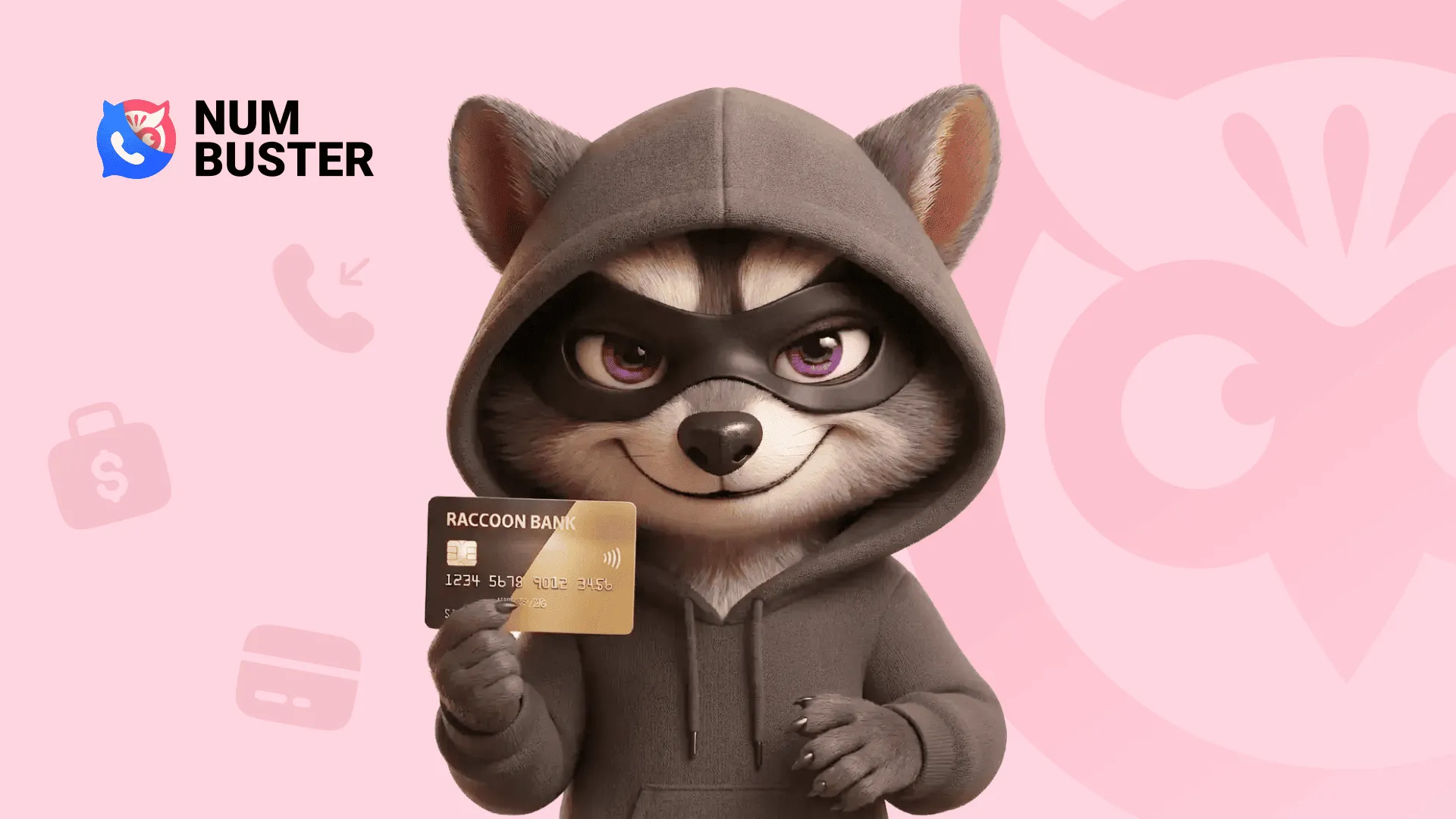
Scammers have launched an unusual tactic: blocking bank cards without the owner’s involvement, followed by blackmail. This scenario is appearing more frequently in specialized communities and user reports. The scheme does not target money directly; instead, it aims to create a sense of total loss of control and force the individual to engage with the extortionists.
How the scheme works
Data collection
Attackers only need basic personal information: a full name and date of birth. This data is easily obtained from leaked databases, social networks, or open sources.
Calling the bank
Scammers contact the bank posing as the cardholder. They claim the device has been lost and the cards are compromised.
Card blocking
According to bank regulations, if the basic details match, employees must block the cards “at the client’s request” to prevent potential fraud.
Pressure on the victim
After this, the individual receives a message or call hinting that the trouble has just begun. The victim is told that all accounts are blocked and is offered a way to “reach an agreement” on the next steps.
Extortion
If the person engages, the scammers begin extorting money. They threaten to report information to the police or promise “further trouble” and even physical violence to force a ransom payment to “resolve the problem.”
‼️ Important: the money remains in the accounts, but the owner suddenly loses access to their cards and daily financial operations.
How not to become a victim
When scammers trigger an actual card block, it creates a feeling that the situation is out of control. This fear and pressure drive some to comply with the extortionists’ demands. The vulnerability lies in weak client identification, where a name and date of birth are enough to initiate a block. Until better measures are in place, it is vital to recognize the deception and not give in to the pressure.
- Do not panic and do not trust incoming calls. Criminals want to intimidate you, but their threats are empty. Never share passwords or codes from SMS or push notifications with strangers.
- Do not follow instructions. If you are threatened, stop communicating immediately. The longer you talk to them, the more vulnerable you become to intimidation. Remember: real threats to life or police fines are never delivered via messengers.
- Contact the bank directly. At the first suspicion of a card block, hang up and call the bank’s official phone number or use their app. Verify your account status with them. If a card is actually blocked, only the bank can lift the restriction.
- Ignore threats and warn your loved ones. Do not respond to scammers. If threatened, tell your family and friends immediately; they could also be targeted. Report the incident to the bank and the police, especially if there were attempts to steal money.
How NumBuster can help
In these scenarios, the moment of first contact is decisive. NumBuster helps you identify the phone number behind the call or message. If the phone number already has reports from other users, it is best not to engage at all.
Scammers are increasingly playing on emotions and fear. The most important thing is to stay calm and verify information through official channels. This will help you resist the pressure and protect yourself and your family.





 Functions


 Tariffs
 Help
Help